


Key Takeaways
- Fundo Ambiental 80% incentive is exclusive to condominium EV charging points
- DGEG-registered TRE controls the subsidy technical file
- Prepare documentation early; application rounds close rapidly
- Localised Portuguese documentation cuts TRE administrative risk
- Public chargers must satisfy MOBI.E transition rules and upcoming AFIR ad-hoc access rules
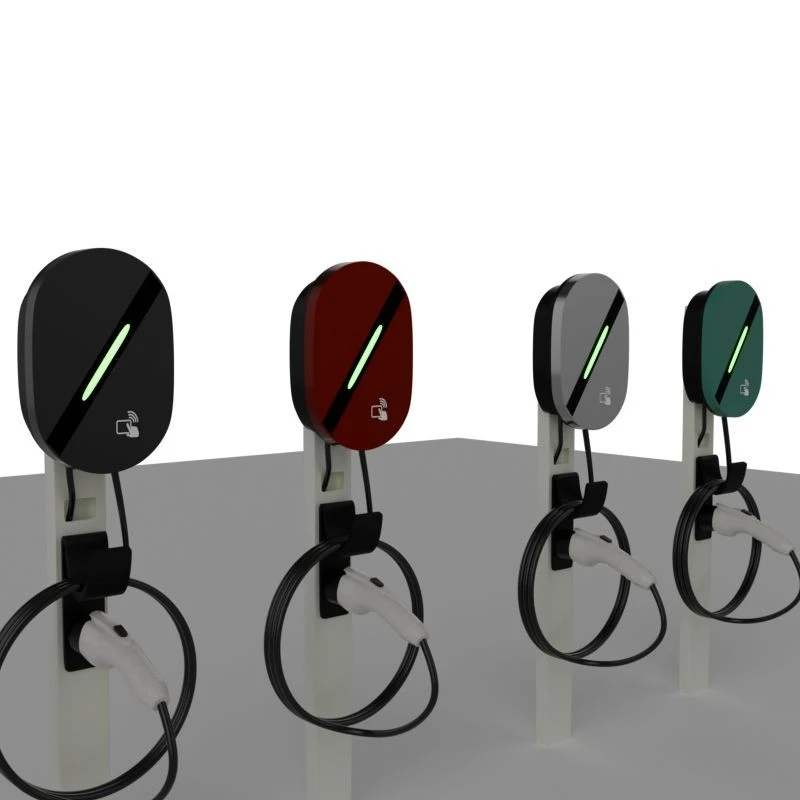
Portugal's Fundo Ambiental scheme offers generous support for EV chargers in multi-family residential buildings: 80% of charger cost up to €800, plus 80% of installation cost up to €1,000 per parking spot. The 2025–2026 second phase ran from 11 June to 27 July 2026 and could close early once funding is exhausted. Waiting until installation finishes to compile paperwork often means missing the application window.
TRE (Técnico Responsável pela Execução), registered with DGEG, acts as the gatekeeper. The TRE bears technical responsibility for the installation and prepares the subsidy file. Products with Portuguese datasheets, conformity declarations and ready commissioning sheets are preferred. Generic English manuals add heavy administrative work for TREs and endanger subsidy eligibility. High-priced chargers may also exceed the subsidy cap.
A separate compliance layer comes from the MOBI.E transition. The mandatory platform connection rule is lifted until 31 December 2026, while MOBI.E remains the national data aggregator. Public and semi-public chargers need data reporting and ad‑hoc payment capability. The EU AFIR regulation requires ad‑hoc access for TEN-T public charging stations from 1 Jan 2028.
For distributors, the competitive edge is not low price. It is supplying documentation packs that help TREs submit applications before deadlines, plus hardware compatible with MOBI.E and AFIR requirements. Deadlines matter, but incomplete technical documentation is the main reason applications fail.
FAQ
Q: When did the 2026 Fundo Ambiental charger application window open and close?
A: The second phase of the 2025–2026 notice opened on 11 June 2026 and closed on 27 July 2026, or earlier if the budget was exhausted.
Q: Is the Portuguese charger subsidy available for all residential installations?
A: The incentive is targeted at chargers in multi-family residential buildings (condomínios multifamiliares). It is not a universal single-family subsidy.
Q: What is the role of the TRE in the application?
A: The TRE is the DGEG-registered technical professional responsible for the installation. The TRE's documentation supports the subsidy application and the commissioning record.
Q: Does the MOBI.E transition affect all chargers or only public ones?
A: The transition affects operators of charging points and their connection to the MOBI.E platform. Private chargers may opt to connect voluntarily, but the data reporting and ad hoc access requirements are most relevant for publicly accessible deployments.
Q: What happens if the subsidy budget is exhausted before the application is submitted?
A: Applications are processed within the published window and subject to budget availability. If the budget is exhausted, the application may not be funded.