


Key Takeaways
- CE is still mandatory, yet no longer the final approval for subsidised charging projects
- Three distinct acceptance gates: UDT (Poland), TRE/Fundo Ambiental (Portugal), AERS+EMS (Serbia)
- Localised acceptance documentation is now a high-value buying priority
- GB/T chargers need full re‑engineering for Type 2 deployment in Serbia
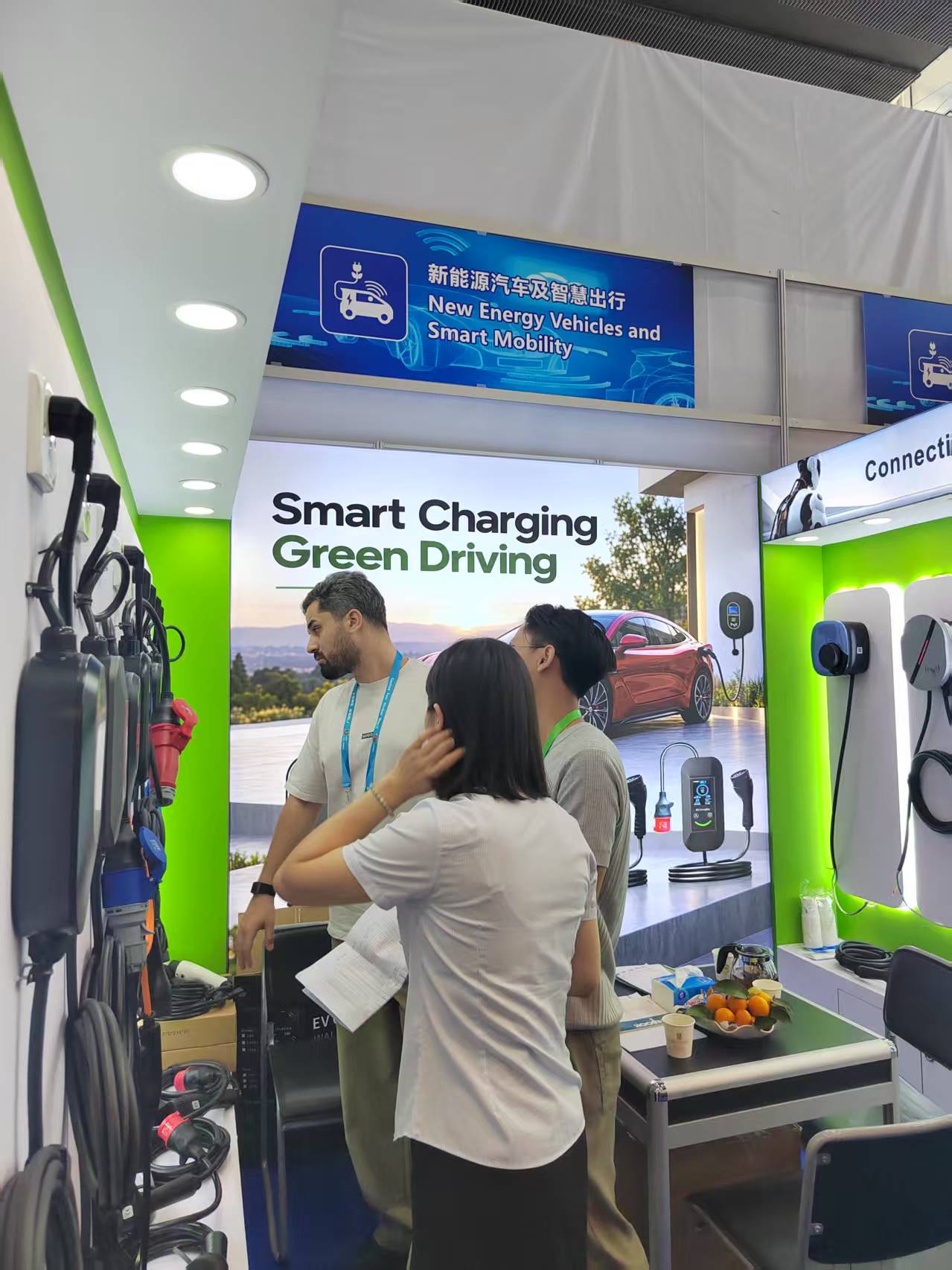
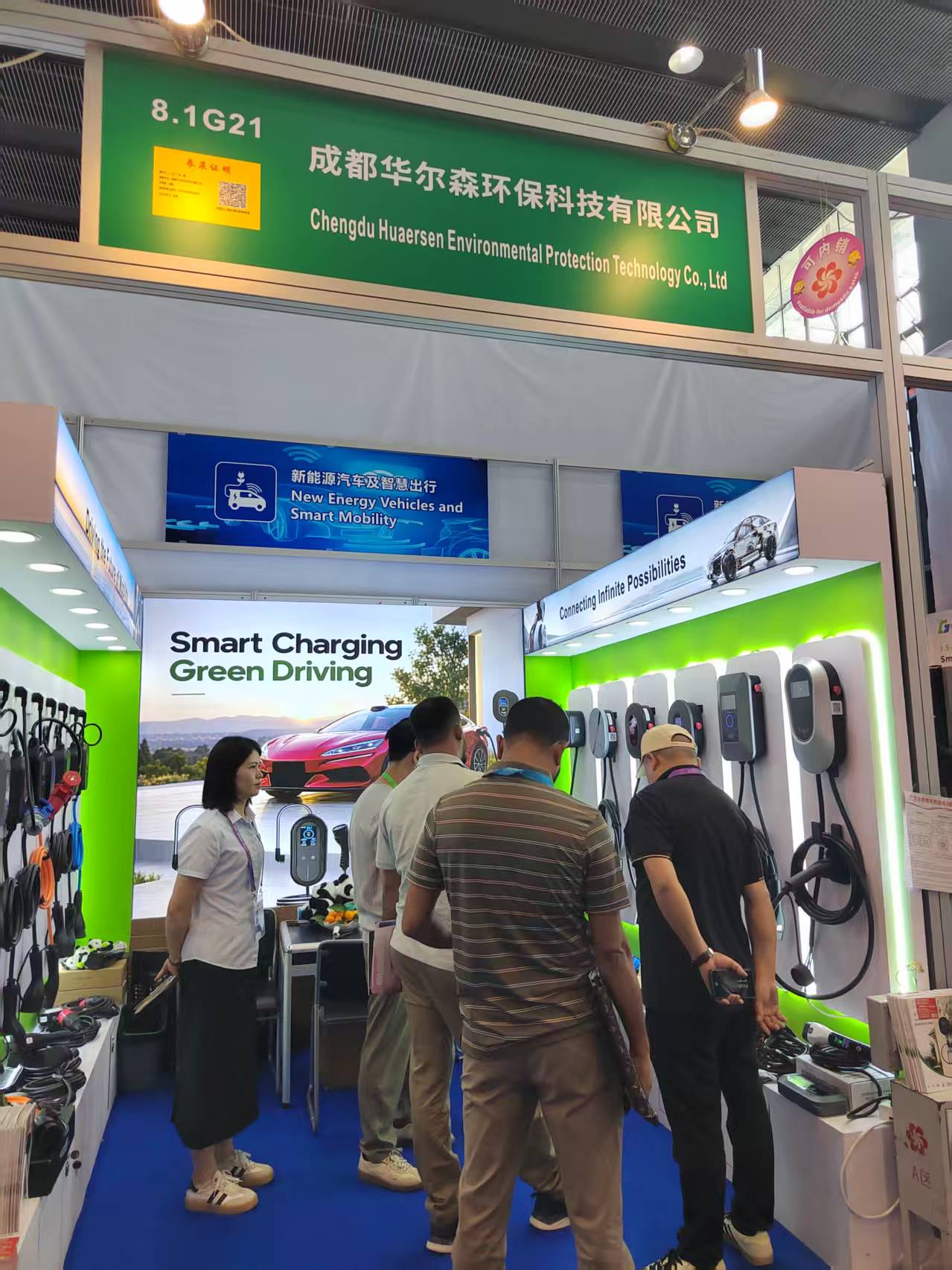
Conversations at the 140th Canton Fair show a clear shift among European EV charger buyers. Importers and installers from Poland, Portugal and Serbia no longer start enquiries by asking for CE certificates. Instead, they focus on site acceptance, commissioning records and paperwork required for subsidised charging projects.
A Polish buyer asked whether wallbox documentation supports UDT (Urząd Dozoru Technicznego, Poland's Technical Inspection Authority) site acceptance. A Portuguese buyer enquired about Portuguese-language files for TRE submissions under the Fundo Ambiental subsidy programme. A Serbian buyer asked how GB/T-based chargers can be re‑engineered for Type 2, plus the project review requirements from AERS (Energy Agency of the Republic of Serbia) and EMS (Elektromreža Srbije).
CE marking remains the basic product compliance requirement, but it alone cannot secure approval for grid-connected, funded charging installations. Each country has its own critical approval process.
Poland
Portugal
Serbia
These buyers were not chasing lower prices. They need suppliers who can supply local-language technical packs to help their local partners finish acceptance and subsidy filings.
Suppliers providing this project-ready documentation can access higher-margin subsidised projects. Those offering only CE certificates compete mainly in the price-driven, unsubsidised market.
FAQ
Q: Does this mean CE certification is no longer sufficient for Europe?
A: CE remains the product baseline. The change is that national acceptance and subsidy processes - UDT in Poland, TRE in Portugal, AERS in Serbia - sit on top of CE and determine whether a product reaches the funded installation.
Q: Are these requirements applicable to portable chargers?
A: The applicability depends on the use case. The Polish subsidy and UDT acceptance apply to fixed installations. The Portuguese multi-family subsidy is tied to installed chargers. Serbian AERS review applies to grid-connected charging assets. Portable chargers are generally outside these specific acceptance and subsidy structures.
Q: Will the upcoming articles cover all three markets?
A: Yes. The series will address Serbia, Poland, and Portugal separately, each focused on the specific acceptance gate and documentation requirement.
Q: Can a single product platform serve all three markets?
A: A single hardware platform can often be adapted, but the documentation package and the acceptance pathway differ by market. Treating the three as identical is the most common source of delay.
Q: What should distributors ask suppliers first?
A: Ask for the specific national documentation artefacts: Polish-language UDT-support documentation, Portuguese-language TRE commissioning references, and Serbian-language AERS/EMS checklists. A general European compliance statement does not cover these.