


The Rise of Vertically Integrated Manufacturing and Cross-Border B2B Models in the New Energy Economy
The global transition to electric mobility is no longer a question of "if" but "how fast." According to industry projections, the number of public and private EV charging points worldwide will need to increase severalfold by 2030 to keep pace with vehicle adoption. Behind this infrastructure buildout lies a less visible but equally critical story: the transformation of China's manufacturing sector from a source of low-cost components to a hub of sophisticated, vertically integrated EV charging equipment production.
This evolution is reshaping how distributors, installers, and energy companies around the world source the hardware needed to build charging networks and it offers valuable lessons for anyone watching the new energy economy.
From Component Supplier to Solution Provider: The Evolution of Chinese EV Charger Manufacturing
For decades, China's role in the global automotive supply chain was primarily as a component supplier wiring harnesses, connectors, and cable assemblies produced at scale for OEMs worldwide. The electric vehicle revolution has changed this dynamic. The same precision manufacturing capabilities that served traditional automotive clients are now being applied to the production of complete charging solutions.
Consider the case of vertically integrated manufacturers that trace their roots to automotive-grade cable and wiring harness production. These companies entered the EV charging space with a significant advantage: they already possessed the most technically demanding component of any charging system the cable assembly. Anyone who has handled a poorly constructed charging cable understands why this matters. Cables must withstand daily mechanical stress, temperature extremes from Scandinavian winters to Southeast Asian summers, UV exposure, and the occasional vehicle roll-over, all while maintaining consistent electrical performance and safety characteristics.
A manufacturer with 17 years of experience producing automotive-grade cable assemblies brings institutional knowledge that cannot be replicated by a startup assembling products from purchased components. TPE jacket compounds, conductor sizing, strain relief design, and connector overmolding are all areas where accumulated expertise translates directly into product reliability.
The Vertical Integration Advantage
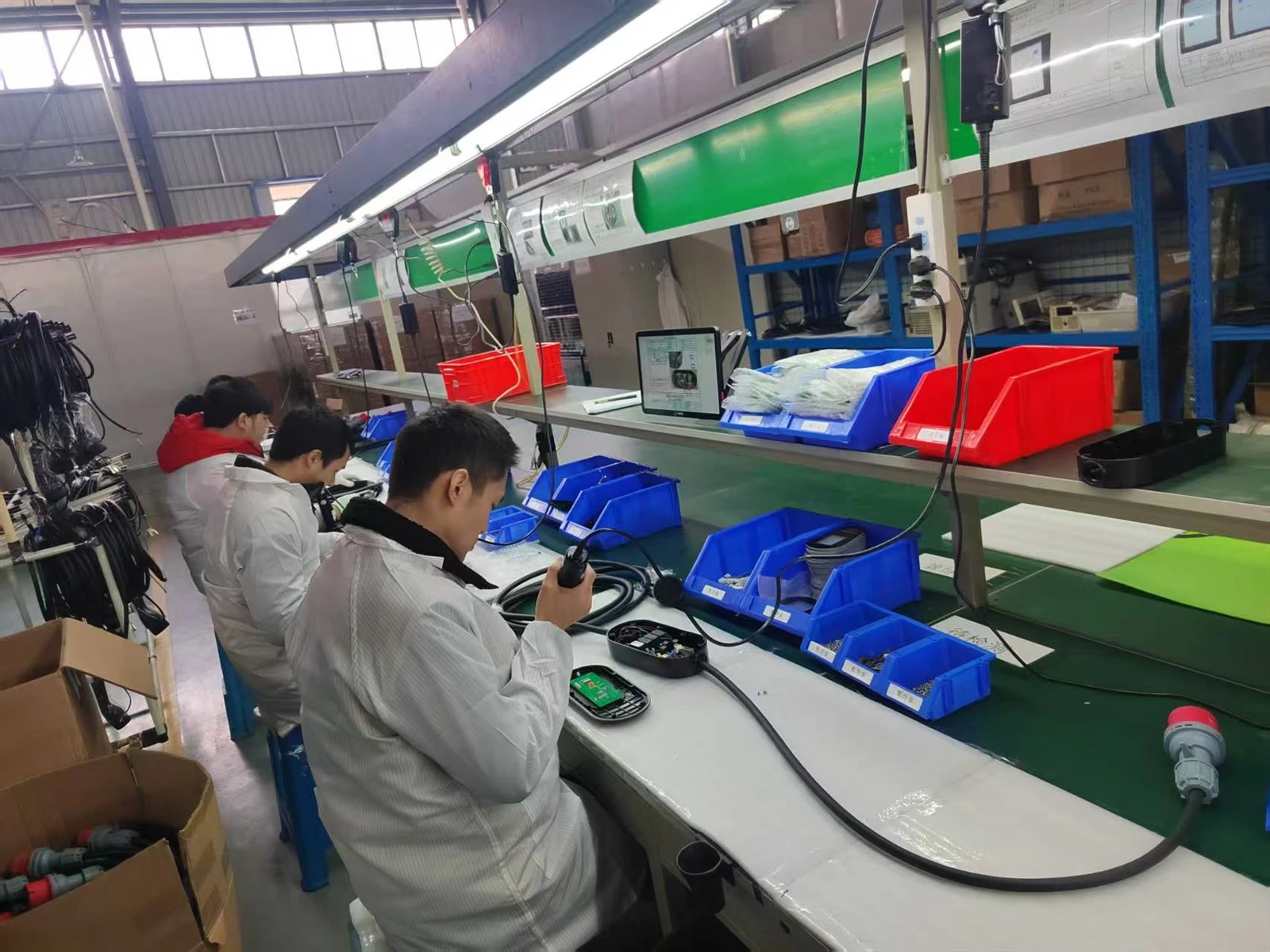
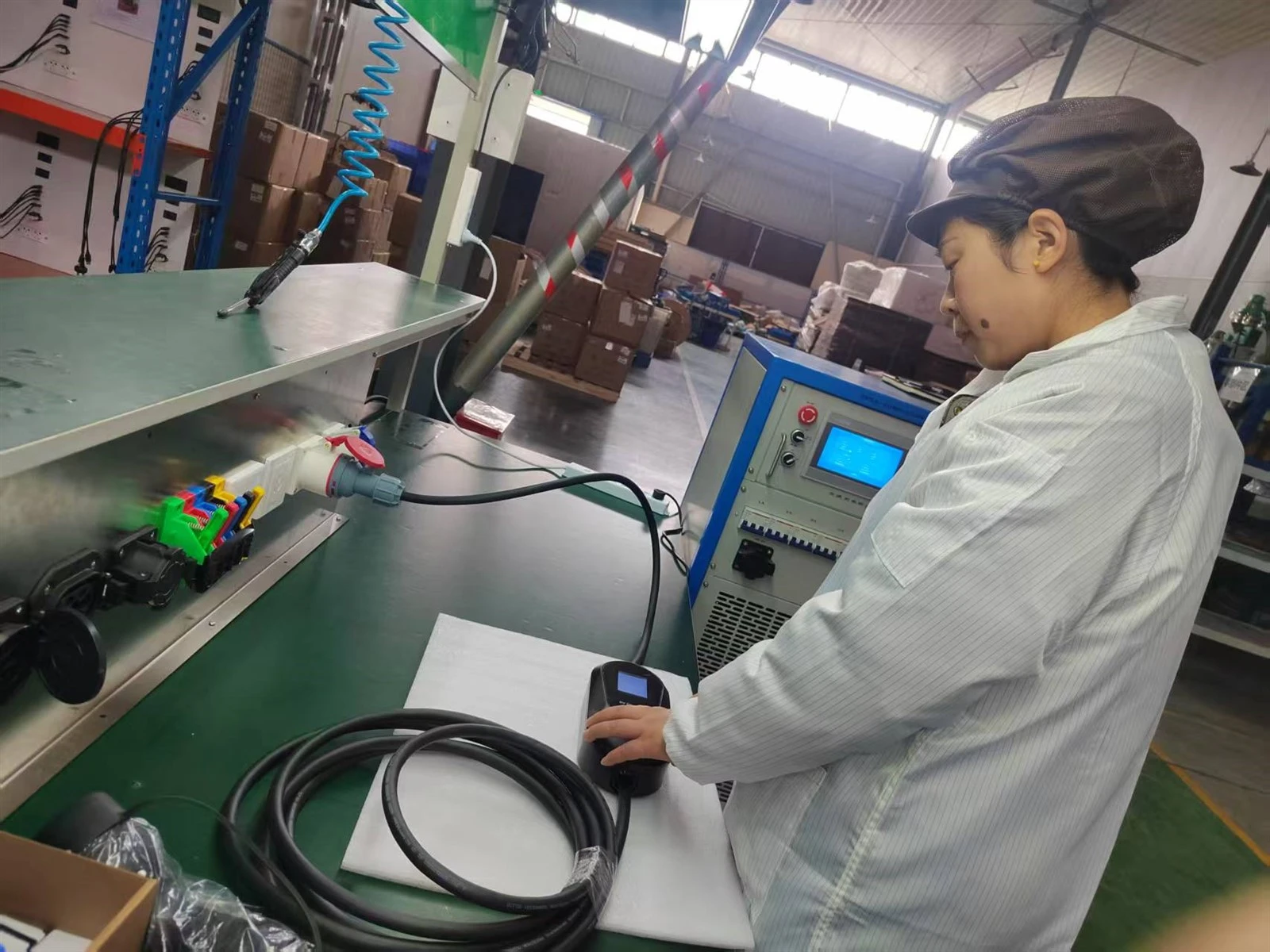
Vertical integration in the EV charging manufacturing context means something specific: the same organization controls the production of core components (cables, harnesses, connectors), the assembly of finished products (portable chargers, wall boxes), and the sales and support functions that serve international customers.
This structure creates several measurable advantages for overseas buyers:
- Quality control. When the cable is produced in the same facility as the finished charger, there is no gap between component specification and final product performance. Tolerances are understood, compatibility is guaranteed, and quality issues can be traced to their source quickly.
- Customization efficiency. An integrated manufacturer can modify cable lengths, connector types, or power ratings without coordinating multiple suppliers. A request that might take weeks with a fragmented supply chain can be completed in days.
- Cost stability. By controlling key component production, an integrated manufacturer is less exposed to supplier price fluctuations and can offer more predictable pricing for long-term distribution relationships.
- Responsiveness. When a market opportunity emerges such as demand for a new connector type or a specific power rating a vertically integrated operation can move from concept to production faster than competitors relying on outsourced components.

The Cross-Border B2B Model: Direct Engagement with Global Markets
Traditionally, Chinese manufacturers relied on trading companies and intermediaries to reach overseas buyers. The rise of digital marketing and cross-border B2B platforms has upended this model. Manufacturers now engage directly with distributors, installers, and procurement teams through:
- Independent e-commerce websites optimized for international search engines
- Google advertising targeting high-intent B2B search terms such as "adjustable current EV charger" or "type 2 wall-box EV charger"
- Trade shows like the Canton Fair, where buyers and manufacturers connect face-to-face
- Professional social media platforms for ongoing relationship building
This direct engagement model benefits both parties. Buyers gain access to factory-level pricing and faster communication with the people who actually design and produce the products. Manufacturers gain direct feedback from end markets, enabling them to refine products to meet real-world requirements.
The most sophisticated operators in this space have built dedicated export-focused teams that handle international sales, technical documentation, and customer support in multiple languages. They understand that serving a distributor in Germany requires different communication and support approaches than serving one in Thailand, and they have organized their operations accordingly.
Customization as a Competitive Strategy
One of the most significant shifts in Chinese manufacturing over the past decade has been the move from standardized mass production to flexible, customer-specific manufacturing. This is particularly evident in the EV charging sector.
For a European distributor, the ability to order wall boxes with their own brand identity, configured for local electrical standards, with user interfaces in the local language, represents a fundamental difference in business model. Instead of competing on price with identical products, distributors can build brand equity and customer loyalty around a product line that appears purpose-built for their market.
This customization extends beyond branding. Manufacturers with genuine engineering capability can adjust:
Cable specifications to match local installation practices and preferences
Power ratings to align with regional grid capabilities and common vehicle types
Smart features to meet local regulatory requirements or consumer expectations
Safety parameters to comply with national standards
The result is a product that feels native to its market rather than imported a significant competitive advantage in industries where installation professionals and end users value compatibility and familiarity.
Navigating Global Standards and Certifications
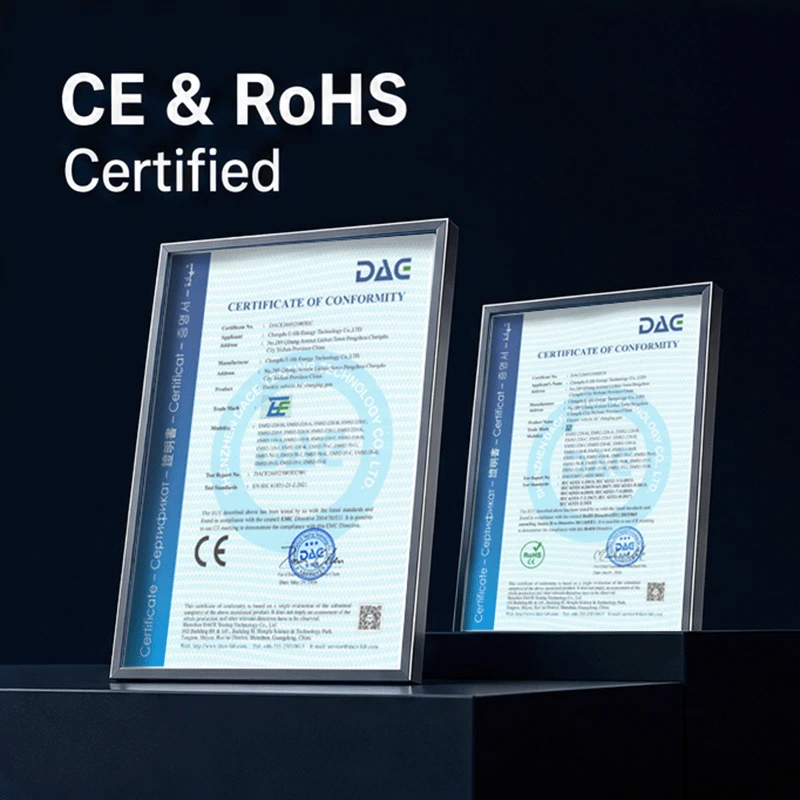
The fragmented nature of global charging standards creates both challenges and opportunities for manufacturers and their customers. A manufacturer that has successfully navigated CE certification for Europe, understands the nuances of Type 2 versus Type 1 compatibility, and can advise on RoHS compliance brings valuable expertise to the partnership.
This regulatory knowledge is not trivial. The documentation, testing, and compliance processes required for market entry in different regions are complex and constantly evolving. A manufacturer with established certification profiles and experience managing compliance across multiple markets can significantly reduce the time and cost burden for their distribution partners.
Moreover, as markets mature, certification requirements tend to become more stringent. Manufacturers that have invested in robust quality management systems including automotive-grade certifications are better positioned to meet new requirements as they emerge.

The Road Ahead: What's Next for the EV Charging Industry?
Looking forward, several trends will shape the evolution of the EV charging equipment market:
- Smart charging integration. Charging equipment will increasingly communicate with vehicles, grids, and energy management systems. Products with WiFi, Bluetooth, and app connectivity are already transitioning from premium features to standard expectations in many markets.
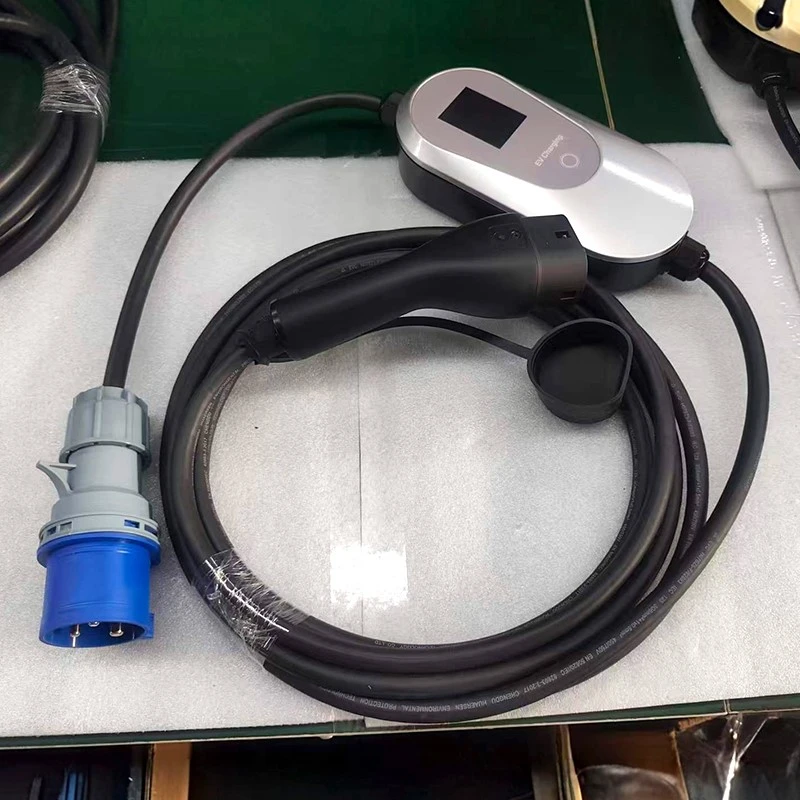
- Portable and flexible solutions. As EV adoption spreads beyond urban centers, demand for portable chargers that can operate from varied power sources will grow. Adjustable-current designs that allow safe charging from household sockets will be particularly important in regions with less developed charging infrastructure.
- Energy storage convergence. The line between EV charging and energy storage is blurring. Portable power stations, vehicle-to-grid technologies, and integrated solar-charging systems represent adjacent markets that forward-thinking manufacturers are already exploring.
- Sustainability in manufacturing. As the EV industry matures, scrutiny of the manufacturing process itself will increase. Companies that can demonstrate responsible production practices, efficient resource use, and durable product design will gain competitive advantage.

Conclusion: A Partnership Model for the Electric Future
The global transition to electric mobility requires more than vehicles it requires infrastructure, and infrastructure requires manufacturing capability at scale. Chinese manufacturers have positioned themselves as essential partners in this buildout, not by competing solely on price, but by investing in the capabilities that matter to international buyers: engineering expertise, customization flexibility, certification compliance, and responsive supply chains.
For distributors, installers, and energy companies building charging networks around the world, the message is clear: the most successful partnerships are those that leverage the full capability of vertically integrated manufacturers companies that understand both the technical demands of charging equipment and the commercial realities of serving diverse global markets.
The electric mobility revolution is not just about what drives on the road. It is also about the factories, engineers, and supply chains that make it all possible and the cross-border relationships that will power the transition for decades to come.